The Role of Dental Crowns in Full Mouth Rehabilitation
Full mouth rehabilitation is rarely about a single tooth. More often, it is the result of years of wear, broken restorations, shifting bites, gum changes, missing teeth, grinding, acid erosion, or a combination that slowly changes the way a person chews, speaks, and smiles. By the time someone needs comprehensive treatment, the problem has usually moved beyond a cavity here or a chip there. The whole system is involved, teeth, muscles, joints, and the bite that ties them together.
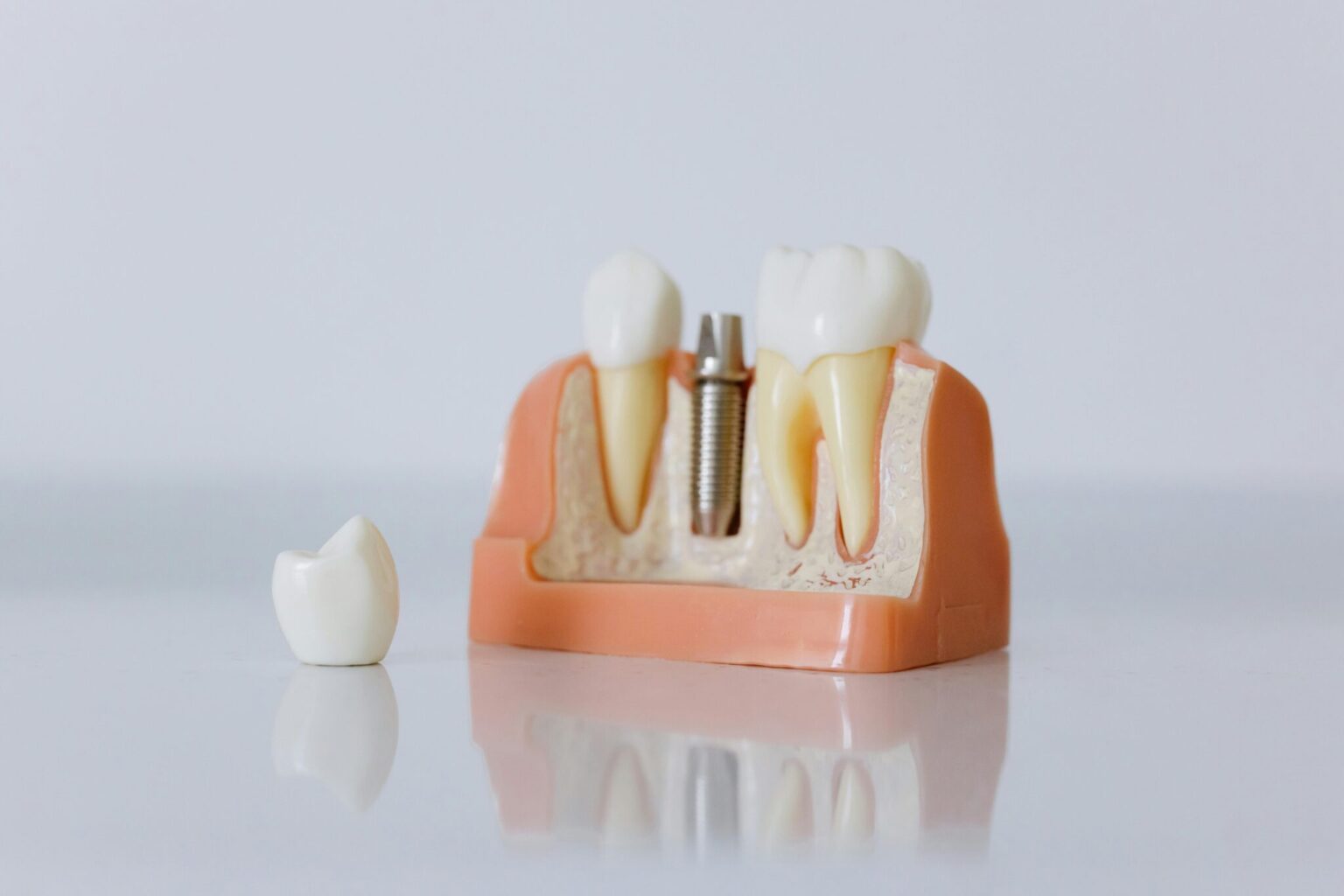
Within that broader process, dental crowns play a central role. They are not always the first step, and they are not the answer for every tooth, but when a mouth needs to be rebuilt in a controlled, durable, and functional way, crowns often become one of the most dependable tools available. They allow a dentist to restore lost tooth structure, reshape worn surfaces, support a stable bite, and protect compromised teeth under heavy load. When planned well, they can also improve appearance dramatically without sacrificing function.
That said, crowns in full mouth rehabilitation should never be treated like interchangeable caps. Their success depends on diagnosis, sequencing, material selection, and respect for the biology of the mouth. A beautiful set of crowns that ignores the patient’s bite or gum condition may fail faster than an older, less attractive restoration that was built on sound principles. The real value of crowns lies in how they fit into the larger treatment plan.
Why full mouth rehabilitation calls for a different mindset
Restoring one tooth is mostly a local decision. Rehabilitating an entire mouth is a systems decision. Every change affects something else. Raise the biting surface in one area, and you may alter the contact pattern everywhere. Lengthen front teeth for esthetics, and you may change speech, lip support, and the way the back teeth come together. Replace collapsed chewing surfaces without addressing grinding, and fractures may return.
This is why full mouth rehabilitation demands a level of planning that goes beyond routine restorative care. A dentist has to study not only the damaged teeth, but also the pattern behind the damage. Is the patient wearing their teeth because of bruxism, acid exposure, or both? Has the bite collapsed from missing molars? Are the front teeth flaring because the posterior support is gone? Is jaw soreness part of the picture, or is the patient comfortable despite severe wear?
In many of these cases, dental crowns become the restoration of choice because they can rebuild form in three dimensions. A filling can patch a defect. A veneer can improve the facial surface of a tooth. A crown can change the shape, contour, height, and occlusal anatomy of a tooth comprehensively. That level of control matters when the bite itself needs reconstruction.
What dental crowns actually contribute to rehabilitation
A crown covers and protects a prepared tooth, but in full mouth work its purpose is broader. It can restore a worn tooth to proper height, create stable contact with the opposing tooth, redistribute force, and help guide the jaw during movement. When multiple crowns are designed together, they can reestablish an entire occlusal scheme, which is the organized pattern of how teeth meet and glide.
That may sound technical, but the real-life effect is straightforward. Patients often arrive with teeth that are short, flat, sensitive, and prone to chipping. Some avoid certain foods. Others clench through headaches or wake with tight jaw muscles. Once the bite is rebuilt with properly designed restorations, chewing efficiency improves, sensitivity often decreases, and the mouth starts functioning in a more balanced way.
Crowns are especially useful when the original tooth structure is too compromised for more conservative options. A severely worn molar with cracks and old large fillings usually needs more than a bonded restoration if it is expected to withstand long-term chewing forces. Likewise, front teeth that have become thin, translucent, and structurally weak may need full coverage to provide both strength and shape.
There is also a strategic aspect. In rehabilitation, some teeth serve as key support units. These anchor points help establish the new vertical dimension, stabilize the bite, and distribute force through the arch. Crowns on these teeth are not just cosmetic upgrades. They are functional supports in the architecture of the new bite.
The patients most likely to benefit
Not every patient with worn or damaged teeth needs a full-mouth approach, and not every full-mouth case requires crowns on every tooth. Judgment matters here. A younger patient with localized wear from minor grinding may do well with bonded composite and a night guard. A patient with severe acid erosion, reduced tooth height, and multiple fractures may require a far more comprehensive reconstruction.
In practice, crowns are commonly used in rehabilitation for patients with advanced wear, extensive existing dental work, cracked teeth, endodontically treated teeth, or bite collapse from missing posterior support. They are also common in patients whose esthetic concerns cannot be separated from major functional problems. Someone may initially seek treatment because their smile looks older or shorter, but closer examination often shows that the teeth are not merely unattractive, they are mechanically failing.
I have seen patients who believed they simply needed whitening or a few veneers, only to discover that most of their back teeth had flattened to the point that the front teeth were carrying more load than they were ever meant to handle. In those cases, treating the visible front teeth alone would have been a mistake. Crowns on selected posterior teeth helped rebuild support first, which then allowed the front restorations to function safely.
The diagnostic phase matters more than the crown itself
The best crown cannot rescue a poor diagnosis. Before any tooth is prepared, the clinician should understand the patient’s facial proportions, bite relationship, wear pattern, periodontal health, pulpal status, and parafunctional habits. Records often include photographs, radiographs, digital scans or impressions, bite registrations, and mounted models or a virtual equivalent. In more complex cases, a diagnostic wax-up or digital mock-up is essential.
This step is not window dressing. It is where the rehabilitation begins. A diagnostic wax-up allows the team to test tooth length, contour, and occlusion before treatment becomes irreversible. It helps answer practical questions. How much space exists for restorative material? Can the bite be opened conservatively? Which teeth need crowns, and which can be preserved with onlays or bonded restorations? Where should implant restorations fit into the sequence?
Sometimes the most important discovery in diagnosis is that treatment should slow down. A patient with uncontrolled gum disease, active decay, or unstable jaw symptoms is not ready for final crowns. In those situations, periodontal therapy, caries control, provisional bite changes, or splint therapy may need to come first. Full mouth rehabilitation rewards patience.
Crowns as tools for rebuilding bite and vertical dimension
One of the more debated aspects of rehabilitation is vertical dimension, essentially the space between the upper and lower jaws when the teeth contact. In patients with severe wear, it is tempting to assume the bite has collapsed dramatically. Sometimes it has. Sometimes the eruption of teeth and growth of supporting bone have compensated more than expected, leaving the vertical dimension relatively maintained despite obvious wear.
This is where provisional restorations become valuable. Rather than guessing, the dentist can test a proposed change in bite with temporaries and monitor comfort, speech, esthetics, chewing, and muscle response. If the patient adapts well, final restorations can follow with greater confidence.
Dental crowns are particularly well suited for this phase because they allow controlled alteration of the biting surfaces. On molars and premolars, they can restore cusp anatomy and stop the broad, unstable contacts seen in flattened teeth. On anterior teeth, they can reestablish guidance so that side and forward movements are managed by the right teeth in the right way. That guidance reduces damaging lateral load on posterior teeth and can make the entire rehabilitation more durable.
A common misconception is that crowns simply make teeth bigger. In skilled hands, they do the opposite of crude enlargement. They return lost anatomy with precision. The grooves, inclines, and contact points are designed so the teeth meet cleanly, separate appropriately during movement, and support the jaw in a repeatable position.
Material choice is a clinical decision, not a fashion choice
Patients often ask which crown material is “best,” but in full mouth rehabilitation there is no universal winner. The right choice depends on the tooth’s location, the available space, esthetic priorities, bite forces, and the habits of the patient.
All-ceramic crowns can look excellent, especially in the front of the mouth where translucency and light behavior matter. Zirconia has become popular because of its strength and expanding esthetic range, particularly for posterior teeth and heavy-function cases. Porcelain-fused-to-metal crowns still have value in some situations, especially when long-span work, limited space, or specific retention needs are involved. Gold or high noble metal remains one of the most forgiving and durable options for certain posterior restorations, although many patients decline it for cosmetic reasons.
What matters most is matching the material to the functional demand. A patient who clenches heavily and has already fractured ceramic restorations may need a tougher posterior solution, even if a more translucent material looks attractive on a sample shade tab. On the other hand, using the strongest possible material everywhere is not always wise either. Extremely rigid materials in an unbalanced bite can transfer stress in undesirable ways. Rehabilitation is about harmony, not brute force.
Where crowns fit alongside other restorative options
A well-planned full mouth case is rarely all one thing. Crowns may be the backbone of the treatment, but they often work alongside onlays, veneers, direct bonding, implant restorations, periodontal procedures, and occlusal appliances. The goal is not to place as many crowns as possible. The goal is to preserve what can be preserved and cover what truly needs full protection.
There are many situations where a more conservative option is better. If a tooth has enough healthy enamel and only moderate wear, an adhesive onlay may save more structure. If front teeth need shape improvement but remain strong and minimally restored, veneers may be more appropriate. If the patient is young and the pulp chambers are large, aggressive full coverage can carry avoidable risk.
The strongest rehabilitative plans usually show restraint. They use crowns where crowns are justified, not where they are merely convenient. That distinction affects longevity.
Provisional crowns, the overlooked phase that predicts success
Patients often focus on the final day, the appointment when permanent restorations are seated and the mirror comes out. From a clinical standpoint, the provisional phase is often more important. Temporary crowns in a full mouth rehabilitation are not just placeholders. They are a functional rehearsal.
During this period, the dentist evaluates several things at once. Speech can reveal whether front teeth are too long or too far forward. Chewing comfort can expose high contacts or poor load distribution. Muscle tenderness can indicate that the new bite is not yet balanced. The patient can also weigh in on appearance with more confidence after living with the shapes for days or weeks instead of judging them from a mock-up alone.
A few practical goals usually guide the provisional phase:
- Confirm that the proposed bite is comfortable and repeatable
- Assess esthetics in motion, not just in still photographs
- Test speech, especially with front tooth changes
- Refine contours for cleaning and gum response
- Identify any areas of overload before final delivery
Skipping this phase in complex cases can create avoidable problems. A beautiful final crown set that feels awkward at dinner or causes jaw fatigue by morning is not a successful result.
The relationship between crowns and gum health
Crowns do not exist in isolation from the surrounding tissue. Margins must respect the gums, contacts must support the papillae properly, and contours must allow effective cleaning. In rehabilitation cases, this can be challenging because patients often arrive with inflamed gums, uneven tissue levels, or recession that exposes root surfaces and complicates esthetics.
Poorly contoured crowns can trap plaque and inflame the gingiva, even if the material itself is excellent. Overbulked restorations are a classic mistake. They may look substantial on the model, but in the mouth they create ledges and shadowing, collect biofilm, and make flossing frustrating. Thin, cleansable, biologically respectful contours almost always perform better over time.
There are also cases where crown lengthening or soft tissue management is needed before final crowns can succeed. If a tooth has deep decay or a fracture extending near the bone, a restoration placed without proper biologic clearance may lead to chronic inflammation or failure. These are the details that separate cosmetic repair from true rehabilitation.
Longevity, maintenance, and the reality of wear
Patients often want a single number for how long crowns last. Realistically, longevity depends on far more than the crown itself. The design of the bite, the health of the supporting gums and bone, the skill of the laboratory work, the quality of cementation or bonding, and the patient’s habits all matter.
In broad terms, well-made crowns can serve for many years, often well over a decade, but full mouth rehabilitation should be presented as long-term management, not a one-time event that eliminates future care. Even excellent dentistry lives in a difficult environment. Teeth flex, people grind, gums recede, and home care varies.
That is why maintenance is inseparable from the restorative work. Night guards are frequently essential, especially for patients with bruxism. Regular reviews allow small issues to be caught early, a chipped margin, a contact that has opened slightly, a screw issue on an implant crown, a spot where the patient is not cleaning effectively. Minor corrections at the right time can prevent major failures.
One of the more honest conversations to have with patients is that crowns protect teeth, but they do not make the mouth indestructible. In fact, once a mouth has required full rehabilitation, it usually deserves more attention, not less.
Common risks and where treatment can go wrong
Dental crowns are powerful restorations, but they are not without trade-offs. Tooth preparation removes structure, which means the decision to place a crown should be justified. In heavily restored or badly worn teeth, that trade-off is often reasonable and necessary. In borderline cases, over-treatment remains a genuine concern.
Another risk involves pulpal health. Teeth that have been worn down, restored repeatedly, or prepared extensively can become sensitive or, in some cases, require root canal treatment later. This is not always preventable, and experienced clinicians discuss that possibility before treatment starts.
Occlusion is another point of failure. A crown that looks fine but carries too much force can chip, debond, loosen an opposing tooth, or trigger muscle symptoms. Full mouth cases are especially unforgiving because small errors can multiply across multiple teeth. The margin for sloppy bite adjustment is low.
Aesthetic disappointment can occur too, often from poor communication rather than poor technical ability. Tooth shape, incisal edge position, texture, and color are deeply personal. The patient who says, “I just want them to look natural,” may have a very specific image of natural in mind. Photographs, wax-ups, provisionals, and clear dialogue matter enormously.
When crowns should not be rushed
There is a certain pressure in comprehensive dentistry to move quickly once a plan is accepted. That pressure should be resisted when the case is unstable. Teeth with active decay, neglected periodontal disease, uncontrolled dry mouth, severe acid exposure from reflux or diet, or unmanaged clenching are poor candidates for immediate definitive crowns.
If the destructive forces remain active, the restorations are being placed into the same environment that caused the damage in the first place. The work may still be indicated, but the sequencing must address the cause first or at least in parallel. A patient with nightly grinding who refuses a protective appliance deserves a frank discussion. A patient with gastric reflux eroding the palatal surfaces of upper teeth may need medical management as part of the dental plan. Rehabilitation succeeds when dentistry and behavior change work together.
The human side of restoring a mouth
There is a technical side to full mouth rehabilitation, but there is also a personal one that should not be underestimated. Patients who have hidden their teeth for years often arrive with a mix of embarrassment and fatigue. Some have stopped Dental Crowns smiling fully in photographs. Others chew on one side, avoid certain foods, or tolerate chronic sensitivity because they assume nothing can be done without dentures.
When crowns are used Dental Crowns thoughtfully within a comprehensive plan, the change can be substantial, not only in appearance but in confidence and daily ease. A patient who can bite into a sandwich without fear, speak without feeling their teeth are collapsing, or laugh without covering their mouth experiences something larger than a cosmetic improvement. They regain reliability.
That is one reason full mouth rehabilitation deserves careful communication. It is expensive, time-consuming, and technically demanding, but for the right patient it is not elective in the casual sense of the word. It is restorative in the truest sense. It restores function, structure, and often a sense of normalcy.
Crowns as part of a complete strategy
The role of dental crowns in full mouth rehabilitation is significant precisely because they do so many jobs at once. They protect vulnerable teeth, restore lost anatomy, support a stable bite, and help integrate esthetics with function. Yet their real strength is not in isolation. It is in how they fit into a carefully sequenced plan that respects biology, mechanics, and the patient’s long-term habits.
When used too casually, crowns can become expensive repairs that fail to solve the underlying problem. When used with clear diagnosis and disciplined execution, they become one of the most reliable foundations for rebuilding a damaged mouth. That distinction matters.
A successful rehabilitation does not happen because a patient received many crowns. It happens because each crown was placed for a reason, shaped with intent, and integrated into a bite that can serve the patient comfortably for years. That is the standard worth aiming for.
Omni Dental Specialty
1690 E Gonzales Rd, Oxnard, CA 93036, United States
+1 805-410-9603
FAQ About Dental Crowns
How long do crowns last on teeth?
A dental crown often lasts about five to fifteen years, although some last longer. Material, the underlying tooth, oral hygiene and grinding habits affect longevity. Regular dental examinations help identify wear, decay or a loose crown; no lifespan is guaranteed.
How much does a tooth crown cost?
There is no single price for every crown. Material, laboratory work, the condition of the tooth and any additional treatment affect the fee. Ask for a written estimate and confirm your insurance benefits, exclusions and out-of-pocket costs before treatment.
What is the downside of crowns on teeth?
A conventional crown usually requires irreversible removal of some tooth structure. Possible problems include sensitivity, chipping, loosening and decay at the crown margin; some teeth later need root canal treatment. Discuss your tooth's condition, material choices and suitable alternatives with your dentist.