The Best Candidate for Invisalign: Are You One?
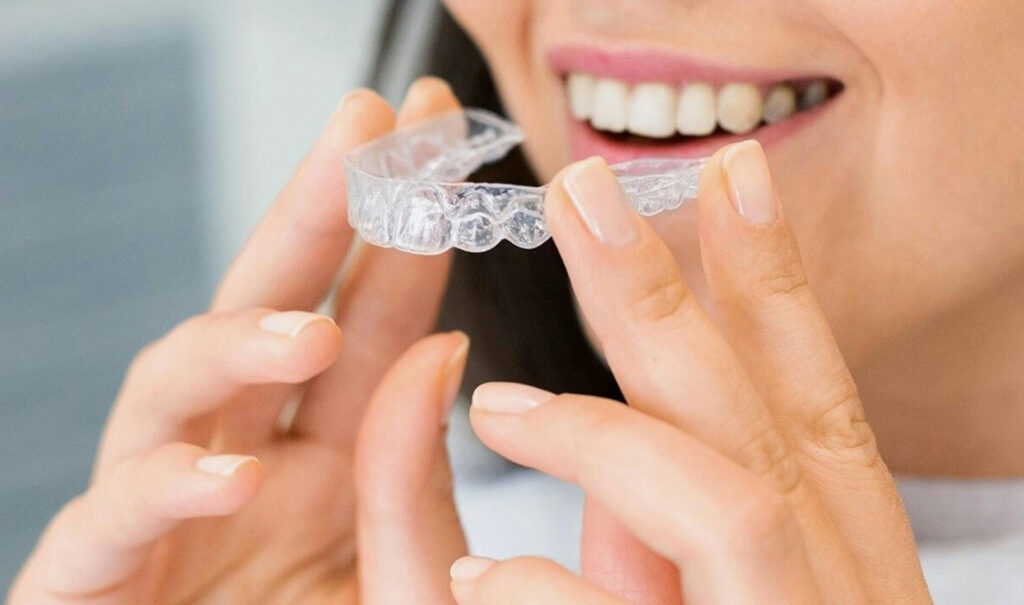

Walk into any dental office that offers clear aligners and you will hear a version of the same question: am I a good candidate for Invisalign? It sounds simple, but the honest answer depends on far more than whether someone wants straighter teeth without metal brackets. The best candidate is not just the person with mildly crooked front teeth. It is the person whose bite, bone support, habits, expectations, and follow-through all line up with what clear aligners do well.
That distinction matters. Invisalign can be an excellent tool. It can also disappoint people who are not ideal candidates, or who begin treatment believing aligners work like magic trays that shift teeth without effort. They do not. They work because tooth movement is planned carefully, attachments and pressure are used strategically, and the patient wears the aligners long enough, day after day, for the biology to cooperate.
Over the years, one pattern has stood out in nearly every successful case. The patients who do best are not always the easiest cases on paper. They are often the ones who understand the process, accept the trade-offs, and are willing to be consistent for months. Straightening teeth is partly about engineering and partly about behavior.
What Invisalign does especially well
Invisalign is a system of clear, removable aligners designed to move teeth in small increments. Each set is slightly different from the last. Over time, those small changes can correct crowding, spacing, and certain bite issues. For the right patient, it can be remarkably precise.
Where Invisalign shines is in cases that benefit from controlled, staged tooth movement without the look of braces. Adults who speak to clients all day, college students who dislike the appearance of brackets, and professionals who want a discreet option often gravitate to it for obvious reasons. The aligners are removable for meals and brushing, which means there are no food restrictions and oral hygiene is usually easier than it is with braces.
That said, removable treatment comes with a built-in challenge. It only works when it is actually in your mouth. Most orthodontists recommend wearing aligners around 20 to 22 hours per day. People hear that number and nod, but living it is another matter. Coffee sipped over two hours, long lunches, late-night snacks, and social events can quietly erode wear time. A tray that sits in a napkin beside your plate cannot move teeth.
This is why candidate selection matters so much. Invisalign is not simply about whether a computer simulation can produce a nice smile. It is about whether the planned movement is biologically realistic and whether the patient can support that plan in real life.
The strongest signs you are a good candidate
The best candidate for Invisalign usually checks several boxes at once. The teeth and bite are suitable, the gums and bone are healthy enough to support movement, and the patient is disciplined enough to wear the aligners as prescribed.
Mild to moderate crowding is often a very comfortable fit for Invisalign. Think of overlapping front teeth, slight rotation, or a few teeth that drifted after not wearing retainers years ago. Mild spacing can also respond well. Small gaps between teeth, especially in the front, are often corrected predictably when the bite is otherwise stable.
Many moderate cases are also manageable, especially today, with improved planning software, optimized attachments, elastics, and refined staging. A person with a deeper bite, moderate crowding on both arches, or some relapse from earlier orthodontic treatment may still be an excellent candidate. What matters is not whether the case looks dramatic in the mirror, but whether the specific tooth movements needed are suitable for aligners.
Age is less important than many people assume. Teens can do well if they are responsible and monitored. Adults often do especially well because they are motivated and appreciate the removable design. I have seen patients in their fifties and sixties complete aligner treatment beautifully. Healthy teeth move at many ages, though movement can be slower or more complex when periodontal issues, restorations, or bone loss enter the picture.
One of the clearest green flags is this: you already take oral hygiene seriously. If you brush well, floss consistently, keep regular dental visits, and follow instructions carefully, you are already behaving like someone who tends to succeed with Invisalign. It sounds unglamorous, but compliance predicts outcomes more reliably than enthusiasm does.
Cases that deserve a more careful conversation
Not everyone who wants Invisalign is the best candidate for it, and that is not a criticism. It is simply clinical reality. Some orthodontic problems are more efficiently or predictably treated with braces, or with a combined approach.
Severe crowding can be challenging, especially when teeth need substantial root control or when extractions are part of the plan. Invisalign can sometimes handle extraction cases, but they require meticulous planning and patient commitment. Certain movements, such as significant extrusion, large rotations of rounded teeth, or major bite corrections, may be less predictable with aligners alone.
Complex bite discrepancies also deserve caution. A pronounced overbite, underbite, or crossbite can sometimes be improved with Invisalign, but the success depends on skeletal structure, age, and the exact dental movements required. If the issue is primarily skeletal rather than dental, no aligner system can fully substitute for the right orthodontic or surgical approach.
There are also practical obstacles that have nothing to do with the bite. A person who snacks frequently throughout the day may struggle. Someone who works irregular shifts and often forgets daily routines may struggle. Patients with untreated gum disease are not good candidates until that disease is controlled. Teeth can only be moved safely in a healthy environment.
Bruxism, or grinding and clenching, adds another layer. Some grinders do fine with aligners and even like the protective coverage. Others crack trays, create tracking problems, or place heavy forces on already stressed teeth. It is not an automatic disqualifier, but it requires a thoughtful plan.
The bite matters more than the selfie
Many people judge candidacy by looking only at the front six teeth. That is understandable, because those are the teeth visible in photos. Orthodontists do not have that luxury. They have to think about the entire bite.
A smile can look straighter while the bite becomes less stable if treatment is not planned properly. Closing a gap in front is easy to appreciate. Preserving proper contact between upper and lower teeth in the back is less obvious, but no less important. If those back teeth do not fit well, chewing can feel awkward and the result may relapse more easily.
This is one reason some quick, mail-order aligner promises caused problems for patients. Teeth are part of a functional system. Their roots sit in bone. They contact each other in motion and at rest. Moving them safely requires records, diagnosis, and oversight. The best Invisalign candidate benefits from a clinician who pays close attention not only to cosmetic alignment, but also to bite function and periodontal health.
Oral health before orthodontics
Before anyone starts Invisalign, the foundation has to be solid. Cavities should be treated. Gum inflammation should be managed. Any signs of active periodontal disease should be addressed before tooth movement begins. Teeth can shift through bone, but they should not be moved through an unstable periodontal environment.
This point gets overlooked by patients who are eager to start. If your gums bleed when you brush, if you have heavy tartar buildup, or if you have been told you have bone loss, those issues matter. Orthodontic treatment is not off the table, but it may need to wait until your dentist or periodontist has things under control.
Restorations matter too. Crowns, veneers, implants, and bridges can all affect treatment planning. Teeth with crowns can often be moved just fine, though attachments may bond differently depending on the material. Veneers require care so they are not damaged. Implants do not move at all, which can complicate alignment around them. None of this means you cannot be a candidate. It means your case needs custom planning, not a generic answer.
Lifestyle fit, the part no simulation can predict
The most polished digital treatment plan cannot overcome inconsistent wear. This is where candidacy becomes surprisingly personal.
The best Invisalign patients tend to build routines quickly. They remove aligners for meals, rinse or brush before reinserting, and keep the case with them instead of wrapping trays in tissue and leaving them behind at restaurants. They do not negotiate with themselves every evening about whether two extra hours out really matter. Over months, those little decisions add up.
I once knew a patient who had what looked like an easy case, mild lower crowding and a small upper gap from relapse after braces. Clinically, it should have gone smoothly. But he traveled constantly, drank coffee all morning, lost trays twice, and rarely hit the recommended wear time. A case that should have been straightforward stretched on far longer than expected. Another patient with more complicated crowding finished efficiently because she treated wear time like a non-negotiable appointment. Same product, very different behavior, very different result.
If you already know you dislike structured routines, that does not mean Invisalign is impossible. It means you should be honest with yourself before you start. Some people are better served by braces precisely because braces remove daily decision-making from the equation.
Common situations and what they usually mean
Patients often want a simple yes or no, but most candidacy questions live in the gray area. A few common scenarios come up repeatedly in consultations:
- You had braces years ago and your teeth shifted because you stopped wearing your retainer. Often a strong Invisalign case, especially if the relapse is mild to moderate.
- You have mild crowding but also gum recession or bone loss. Possible candidate, but periodontal evaluation comes first.
- You want straighter front teeth, but your back bite already feels off. Needs careful diagnosis, because cosmetic alignment alone may worsen function.
- You are a teen who plays sports or an adult who presents professionally and wants a discreet option. Often a good fit if compliance is strong.
- You know you snack constantly or have trouble keeping up with daily routines. You may still qualify clinically, but behavior could make braces the better choice.
These examples do not replace an exam, but they show how often the answer depends on context rather than marketing categories.
Invisalign for teens versus adults
Teen and adult candidates overlap more than people think, but there are practical differences.
Teens may have excellent biology for tooth movement, and many love that the aligners are nearly invisible in school photos. Some also appreciate that aligners are easier to manage than braces when https://elliotjlxs047.quillnesty.com/posts/how-invisalign-compares-to-traditional-metal-braces playing instruments or sports. On the other hand, teens vary widely in maturity. Lost trays, shortened wear time, and inconsistent hygiene are common enough that parents should take candid discussions about responsibility seriously.
Adults often enter treatment with very specific goals. They have meetings, weddings, presentations, and a clear reason for wanting a discreet solution. That motivation can help. Adults are also more likely to have crowns, gum recession, old fillings, or wear patterns that complicate movement. Their cases can be highly successful, but they benefit from careful evaluation and realistic expectations.
For both groups, the key question is similar: will this person actually wear the aligners as prescribed? If the answer is yes, age becomes much less important.
What about attachments, refinements, and elastics?
One misconception keeps people from understanding candidacy clearly. They imagine Invisalign as a set of plain clear trays, almost like whitening trays, that gently straighten teeth without much else involved. Real treatment is often more involved than that.
Many Invisalign cases require small tooth-colored attachments bonded to certain teeth. These help the aligners grip and direct force. Some plans include elastics to improve bite relationships. Many patients need refinements, meaning additional sets of aligners after the first series, to fine-tune results. None of this means something went wrong. It often means the clinician is adjusting to how the teeth actually responded, which is normal in orthodontics.
The best candidate is comfortable with that reality. If you want perfect straightening with zero visible attachments, no refinements, and total convenience, you may be asking aligners to be more effortless than they are. Good candidates understand that discreet does not mean passive.
Questions worth asking at a consultation
A consultation should do more than confirm that your teeth can be moved. It should clarify whether Invisalign is the right tool for your specific goals. Patients benefit when they ask direct questions and listen for nuanced answers.
- What kind of tooth movements does my case require, and are those predictable with Invisalign?
- Will I need attachments, elastics, or refinements?
- How long is the likely treatment range if everything tracks normally?
- Are there any gum, bone, or restorative issues that could affect safety or results?
- If I were your family member, would you recommend Invisalign, braces, or either one?
That last question is especially useful. It often cuts through sales language. A thoughtful clinician will explain not just what can be done, but what is most likely to work efficiently and well.
The role of expectations
Some patients are technically good candidates but emotionally poor ones, simply because they expect treatment to feel easier or faster than it really is.
Teeth do not move on a social media timeline. Some aligners fit tightly for a day or two. Speech may feel slightly different at first. Removing trays can be awkward in the beginning. You may need attachments on visible teeth. You will brush more often than you used to. If you skip wear time, treatment may extend. When people accept those facts early, they usually adapt quickly.
A realistic expectation is not pessimism. It is an advantage. Patients who know what they are signing up for are less likely to get frustrated by ordinary parts of the process.
Retention also deserves mention here. Finishing treatment does not mean you are finished forever. Teeth have memory, and relapse is common when retainers are neglected. Some of the best Invisalign candidates are people who already learned this lesson after previous orthodontic treatment. They understand that straightening is one phase, retaining is the long game.
So, are you the best candidate?
The best candidate for Invisalign is usually someone with healthy teeth and gums, a bite problem that aligners can address predictably, and the discipline to wear them as directed. Mild to moderate crowding or spacing, relapse after braces, and strong motivation often point toward a very good fit. More complex bite issues, active gum disease, severe crowding, or poor compliance habits call for a more careful evaluation, and sometimes a different treatment approach.
That may sound less glamorous than the advertisements, but it is better. Orthodontic treatment works best when the method fits the person, not when the person tries to fit the method. If Invisalign matches your clinical needs and your daily habits, it can be an excellent choice, discreet, flexible, and highly effective. If it does not, the smartest answer is not to force it.
A good consultation should leave you with more than hope. It should leave you with clarity. If your provider can explain why you are a strong candidate, where the risks are, and what your role will be in the outcome, you are already on the right track.
Omni Dental Specialty
Address: 1690 E Gonzales Rd, Oxnard, CA 93036
Phone number: +18053666000
FAQ About Invisalign
How much does Invisalign actually cost?
The out-of-pocket cost for Invisalign typically ranges between $3,000 and $8,000, with most patients paying a national average of roughly $5,100 to $5,700 before insurance.
What is the downside to Invisalign?
The biggest downsides to Invisalign are the intense discipline required to wear the trays 22 hours a day, the inconvenience of removing them to eat or drink, and the inability to fix severe, complex orthodontic issues.
Is $5000 a lot for Invisalign?
No, $5,000 is not considered a lot for Invisalign; it is exactly the national average. Treatment costs typically fall between $3,000 and $8,000, and $5,000 is the standard fee for a moderately complex case that takes 6 to 18 months to complete.