Porcelain Dental Crowns: Benefits and Considerations
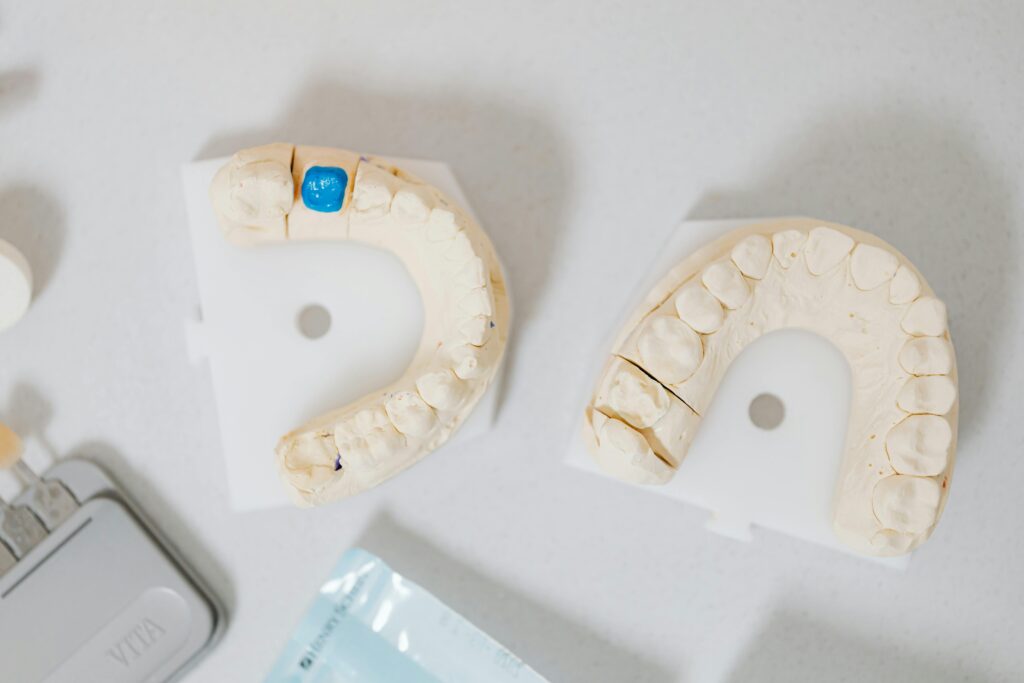
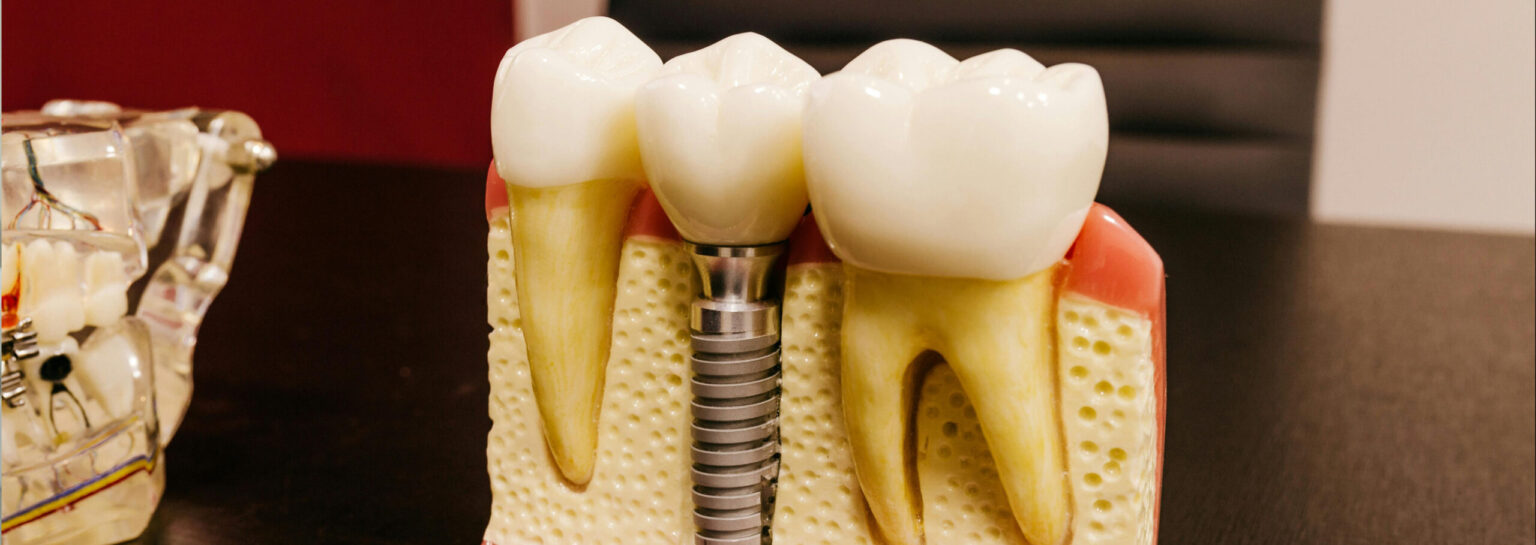
Porcelain dental crowns sit at the intersection of function and appearance. They are often chosen when a tooth needs more than a simple filling can offer, but the patient still wants a restoration that blends into a natural smile. In practice, that balance is what makes porcelain appealing. It covers a damaged tooth, restores shape and strength, and can look remarkably lifelike when planned well.
That said, porcelain crowns are not automatically the right choice for every tooth, every bite, or every budget. The best outcomes come from understanding what porcelain does exceptionally well, where it has limits, and how the crown will perform in the real conditions of a person’s mouth. A crown does not live in a brochure. It has to survive coffee, cold air, clenching, nightly grinding, hurried brushing, and years of chewing.
For patients weighing options, and for anyone trying to make sense of dental recommendations, it helps to look at porcelain crowns with both appreciation and realism.
What a porcelain crown actually does
A dental crown is a custom-made cap that fits over a prepared tooth. It is used when the tooth has lost too much structure to be predictably restored with a filling, or when shape, strength, or appearance need more comprehensive correction. A crown can rebuild a cracked tooth, protect a heavily filled tooth, complete a root canal treatment, anchor a bridge, or cover a dental implant.
When people say "porcelain crown," they may mean a few different things. Some crowns are made entirely of ceramic or porcelain-like materials. Others have a porcelain outer layer fused to a different core. The exact material matters because not all porcelain-based restorations behave the same way. Some are prized for translucency and beauty. Others are engineered for higher strength in areas that take more force.
In everyday clinical conversation, the term often reflects what the patient cares about most, namely that the crown is tooth-colored rather than metallic.
Why porcelain remains a popular choice
The strongest argument for porcelain is simple: it can look very natural. Good porcelain has depth, light transmission, and subtle color variation that mimic enamel far better than older opaque materials. On front teeth especially, that difference matters. A well-made porcelain crown should not look flat, chalky, or overly bright. It should disappear into the smile.
Patients usually notice this immediately when replacing an old dark crown or a heavily discolored tooth. The emotional impact can be larger than expected. Someone who has been smiling with a closed mouth for years often relaxes the moment the temporary is removed and the final porcelain crown is seated. Dentists see that response often enough to respect it. Restorative dentistry is not vanity. Appearance affects confidence, speech patterns, and even willingness to socialize.
Porcelain also offers another practical advantage: it is biocompatible and generally well tolerated by gum tissue when designed and polished properly. Healthy gums tend to respond well to smooth, precise ceramic margins. When the crown contour is right and the patient cleans effectively, the tissue can look stable and natural around it.
The esthetic strengths that matter most
Not every beautiful crown is bright white. In fact, crowns that stand out for the wrong reason are often too uniform in color. Natural teeth are more complex than many people realize. They may have a warmer neck near the gumline, a slightly more translucent edge, faint internal character, and small asymmetries that make them look alive.
Porcelain allows a skilled dentist and lab technician to work with these details. That level of artistry matters most in highly visible teeth, particularly the upper front teeth, where lighting, lip movement, and neighboring teeth all reveal differences quickly. A crown on a lower molar does not need the same visual refinement. A crown on a central incisor absolutely does.
This is one reason the planning stage matters so much. Shade selection under natural light, photographs, and communication with the dental laboratory can make the difference between a crown that merely covers a tooth and one that truly integrates into the smile.
Strength is important, but context matters
Patients often ask whether porcelain is "strong enough." That question is reasonable, but it needs context. Modern ceramic materials can be impressively durable, especially when bonded properly and used in the right location. Yet strength is not just a property of the material itself. It also depends on bite forces, crown thickness, preparation design, whether the patient grinds or clenches, and what tooth is being restored.
A porcelain crown on a front tooth may do beautifully for many years because front teeth usually experience different force patterns than back teeth. A porcelain crown on a molar in a heavy grinder is another story. In that situation, the crown may still work very well, but the treatment plan needs more caution. The dentist may recommend a stronger ceramic, a different restorative material, a night guard, or changes in the bite to reduce risk.
This is where online comparisons can mislead people. A material that is excellent for one patient can be a poor choice for another. There is no universal best crown. There is only the most appropriate crown for a specific tooth in a specific mouth.
Common reasons a dentist may recommend a porcelain crown
A crown is usually considered when a tooth has crossed a threshold where direct fillings become less predictable. That threshold varies, but there are familiar scenarios. A tooth may have a large existing filling with little healthy enamel left. It may have a crack line and pain when biting. It may be discolored after trauma or root canal treatment. Or it may need reshaping because of wear or developmental defects.
Porcelain is often selected when appearance matters, but it is not limited to cosmetic cases. It is also used for practical restorative reasons, especially when the patient wants a metal-free option.
Here are several situations where porcelain dental crowns are commonly considered:
- A front tooth is broken, worn down, or darkened and needs both reinforcement and a natural appearance.
- A back tooth has a very large filling and no longer has enough structure to safely carry chewing forces.
- A tooth has had root canal treatment and needs protection from fracture.
- An older crown is failing, leaking, or no longer matches neighboring teeth.
- A patient wants a tooth-colored restoration and is a good candidate based on bite and habits.
The key phrase is "good candidate." Material selection should follow diagnosis, not preference alone.
The trade-offs patients should understand
Porcelain crowns come with real benefits, but they also involve irreversible treatment. To place a crown, the dentist must shape the tooth so the restoration can fit properly. That means removing some natural tooth structure. A conscientious dentist keeps this reduction as conservative as possible, but it remains a permanent step.
That point is worth pausing on because many patients see crowns as upgrades, almost like choosing a nicer finish on a surface. They are not cosmetic shells in the casual sense. They are serious restorations for teeth that need significant help, or for teeth where the expected benefit justifies the reduction.
Porcelain can also chip or fracture. While modern materials have improved greatly, ceramics are not indestructible. Small chips may sometimes be polished or repaired, but larger fractures can require replacement. Risk rises when there is heavy grinding, ice chewing, pen chewing, or an unfavorable bite.
Another important consideration is the opposing tooth. Some ceramics are gentle when polished well and adjusted correctly. Others can be more abrasive if rough or improperly glazed. This is another reason finishing quality matters. A crown is not only judged by how it looks on the day it is cemented, but by how kindly it behaves toward surrounding teeth over time.
Then there is cost. Porcelain crowns can be more expensive than some alternatives, particularly when cosmetic detailing or advanced ceramic systems are involved. The fee reflects not just the material, but the planning, laboratory work, precision, and chair time required to do the case well.
Porcelain versus other crown materials
Patients often hear several options in the same consultation: porcelain, porcelain-fused-to-metal, zirconia, gold, resin-based materials, or full metal alloys. The differences can seem technical, but they matter.
Porcelain-fused-to-metal crowns have served dentistry for decades and can still be excellent restorations. They combine strength from a metal substructure with tooth-colored porcelain on the outside. Their weakness, from an esthetic standpoint, is that they may show a dark line near the gum over time, or appear less translucent than all-ceramic options. In a back tooth, that may be irrelevant. In the smile zone, it can matter a great deal.
Gold and other full metal crowns remain among the most durable choices for some molars. They are kind to opposing teeth and can last a very long time. Their obvious drawback is appearance. Some patients value function enough to choose them gladly. Most do not want visible metal.
Zirconia deserves mention because many people lump it into the porcelain category even though it has distinct properties. It is strong and widely used, particularly for back teeth and patients with higher bite forces. Some zirconia restorations are highly esthetic, though the final appearance varies by formulation and technique. In some cases, zirconia may be the better answer when pure esthetics must be balanced against significant mechanical demands.
The best dentists do not become loyal to one material at the expense of judgment. They select based on tooth position, bite, gum display, staining habits, parafunction, and the patient’s priorities.
The preparation and placement process
For someone getting a first crown, the process feels more manageable when they know what to expect. Typically, the tooth is examined, imaged, and tested before treatment begins. If decay, cracks, or pulp problems are present, those issues must be addressed first. The tooth is then shaped, impressions or digital scans are taken, and a temporary crown is placed while the final restoration is made.
That temporary phase tells both patient and dentist quite a lot. If the temporary feels too bulky, traps floss, irritates the gum, or alters speech, those observations can guide adjustments before the final crown is delivered. The temporary is not merely a placeholder. It can be a preview of contour and function.
At the seating appointment, the dentist checks fit, contact points, shade, margins, and bite. Good crowns rarely drop in without careful evaluation. Tiny discrepancies matter. If a crown is slightly high in the bite, the patient may feel constant pressure and the tooth can become sore. If contacts are too tight or too open, food trapping and gum problems may follow. Precision here is not fussy detail. It is what separates a crown that quietly serves for years from one that feels wrong from the start.
When porcelain crowns work especially well
Some of the happiest crown cases involve front teeth where patients have lived for years with old bonding, fractures, or discoloration. In those situations, porcelain can create a stable result that is both stronger and more natural-looking than repeated patchwork repairs. The improvement is often obvious but not artificial, which is exactly what most patients want.
Porcelain also performs well in patients who maintain good oral hygiene, keep regular recall visits, and do not place extreme force on their teeth. If the margins are accessible for cleaning and the patient uses floss or interdental aids consistently, gum health around the crown can remain excellent.
There is also a category of patient who values subtle esthetics enough to appreciate the skill behind a well-made porcelain restoration. They notice shape symmetry, reflected light, and gum contours. For them, porcelain often justifies the extra attention and cost because the final result affects Dental Crowns daily confidence in a meaningful way.
Situations that call for more caution
Not every mouth welcomes porcelain without conditions. A patient with untreated grinding habits may break not only crowns but natural teeth as well. A patient with active gum disease may have unstable tissue that complicates crown margins and esthetic outcomes. A patient with frequent decay around existing restorations may struggle to keep any crown healthy over time if home care and dietary habits do not improve.
There are also cases where the underlying tooth is so compromised that a crown alone is not the central issue. If a tooth has deep cracks below the gumline, minimal remaining structure, or questionable long-term prognosis, placing a beautiful crown on it does not solve the larger problem. Experienced clinicians learn to resist overtreating teeth that may not be maintainable.
A porcelain crown can also disappoint when expectations are unrealistic. Matching one single front crown to adjacent natural teeth is one of the hardest tasks in restorative dentistry. The color can be matched closely, but light Dental Crowns behavior, translucency, and age-related wear patterns are complex. The result can be excellent, but "perfect" is not always a fair or honest promise.
Longevity, maintenance, and what shortens lifespan
A well-made porcelain crown can last many years. Ten to fifteen years is often discussed as a reasonable range, but some crowns fail much sooner while others remain serviceable far longer. The lifespan depends less on marketing claims than on fundamentals: diagnosis, tooth preparation, cementation, bite forces, oral hygiene, and ongoing care.
Most crowns do not fail because the porcelain simply gives up one day. More often, the trouble begins at the edges. Decay can develop where the crown meets the tooth. Cement can wash out if a margin is compromised. Gum recession can expose an area that was once hidden. Repeated heavy forces can create cracks, loosen the bond, or inflame the ligament around the tooth.
Patients often assume that once a tooth has a crown, that tooth is somehow protected from future dental disease. The opposite mindset is safer. A crowned tooth still needs excellent cleaning, fluoride exposure when appropriate, and regular monitoring. The crown covers the visible part of the tooth, but the tooth structure at the margin remains vulnerable.
A few habits make a substantial difference:
- Brush thoroughly at the gumline and clean between teeth every day, especially where the crown meets natural tooth.
- Avoid using crowned teeth to crack nuts, chew ice, tear packaging, or hold objects.
- Wear a night guard if clenching or grinding has been diagnosed.
- Keep recall appointments so small issues at the crown margin are caught early.
- Report persistent soreness, food trapping, or a changing bite instead of waiting for a larger problem.
These are simple measures, but they protect a significant investment.
Cost, value, and the question patients really mean to ask
When patients ask, "Why does this crown cost so much?" They are rarely asking only about the material. They are asking whether the result will justify the expense. That is a fair question.
The value of a porcelain crown lies in several things working at once: proper diagnosis, adequate tooth preparation, quality impressions or scans, a competent laboratory, careful fit checks, and thoughtful bite adjustment. Cheap crowns can look acceptable for a moment and still fail early because one of these steps was rushed. On the other hand, the most expensive option is not automatically the best if it is being used in the wrong clinical situation.
A useful way to think about cost is to compare replacement cycles. A crown that costs less up front but needs replacement much sooner, or causes gum irritation and repeated repairs, is rarely a bargain. Dentistry tends to reward precision. Patients do not always see that precision, but they live with the results of it.
Questions worth asking before saying yes
A short consultation can feel overwhelming, especially when multiple treatments are discussed quickly. Patients benefit from slowing the conversation down and asking practical questions. Not because they should distrust the recommendation, but because clarity improves decisions.
Ask what problem the crown is solving. Ask whether a filling, onlay, or other restoration could reasonably work instead. Ask what material is being recommended and why. Ask whether grinding, gum health, or a root canal affects the prognosis. Ask how the crown may look relative to neighboring teeth, especially in the front of the mouth.
Those conversations often reveal the difference between a routine case and a nuanced one. They also help align expectations before treatment starts, which prevents disappointment later.
The bottom line on porcelain dental crowns
Porcelain crowns have earned their place in modern dentistry because they can restore damaged teeth in a way that respects both function and appearance. When selected thoughtfully, designed carefully, and maintained well, they offer durable, natural-looking results that many patients find life-changing in small but meaningful ways.
Their limits matter just as much as their strengths. They are not indestructible. They are not ideal for every bite. They do require irreversible tooth preparation and long-term maintenance. Yet in the right case, with good clinical judgment behind them, they remain one of the most elegant solutions available in restorative care.
A crown should do more than fit the tooth. It should fit the person, their habits, their goals, and the reality of how their mouth functions every day. That is where good dentistry lives, in the details, not just the material name on the treatment plan.
Omni Dental Specialty
1690 E Gonzales Rd, Oxnard, CA 93036, United States
+1 805-410-9603
FAQ About Dental Crowns
How long do crowns last on teeth?
A dental crown often lasts about five to fifteen years, although some last longer. Material, the underlying tooth, oral hygiene and grinding habits affect longevity. Regular dental examinations help identify wear, decay or a loose crown; no lifespan is guaranteed.
How much does a tooth crown cost?
There is no single price for every crown. Material, laboratory work, the condition of the tooth and any additional treatment affect the fee. Ask for a written estimate and confirm your insurance benefits, exclusions and out-of-pocket costs before treatment.
What is the downside of crowns on teeth?
A conventional crown usually requires irreversible removal of some tooth structure. Possible problems include sensitivity, chipping, loosening and decay at the crown margin; some teeth later need root canal treatment. Discuss your tooth's condition, material choices and suitable alternatives with your dentist.